Editable Canva Business Card #36: Design Your Professional Edge
In a world saturated with digital noise, the tactile exchange of a business card remains a powerful moment of connection. It’s a physical handshake for your brand, a tiny billboard that lingers in a pocket or on a desk. But a generic, templated card can undermine your credibility before you’ve even said a word. The challenge is creating something that feels authentically you—professional, memorable, and aligned with your unique brand identity—without needing a graphic design degree or a hefty budget. This is the precise problem the Editable Canva Business Card #36 solves. It’s not just a template; it’s a strategic starting point for building tangible brand equity.
Deconstructing the Design: More Than Just a Layout
At first glance, Business Card #36 presents a sleek, modern aesthetic. Its strength lies in its balanced composition and clean lines, offering a sophisticated canvas that avoids the trap of fleeting trends. The visual personality is one of confident professionalism—approachable yet authoritative. It typically features a clear visual hierarchy, guiding the eye from your name or logo to your title and contact details in a logical, effortless flow. This isn’t a chaotic, maximalist design; it’s a refined framework built on principles of modern typography and spatial harmony. The default color palette often leans towards versatile neutrals or muted tones, providing a solid foundation that can be instantly transformed to match any brand’s existing color scheme. The overall appeal is its chameleon-like ability to adapt, making it suitable for a corporate consultant, a creative freelancer, or a boutique retailer.
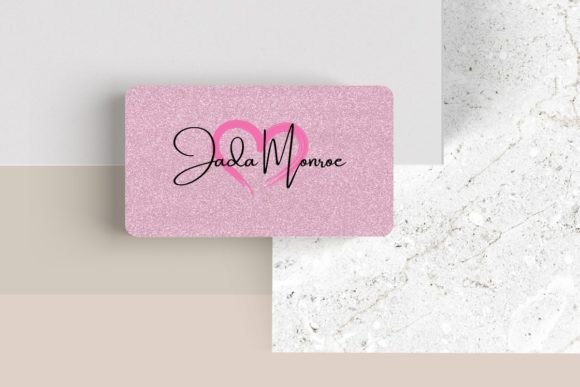
The real magic, however, is in its editability within Canva. You’re not locked into a single typeface. The template is designed to let you experiment. You can swap the default sans serif font for a classic serif font to inject traditional elegance, or introduce a subtle script font for your name to add a personal, handwritten touch. This flexibility means the same base layout can yield hundreds of unique variations, ensuring your card is a one-of-a-kind design asset. You can adjust kerning and leading for optimal readability, change font weights to create emphasis, and ensure every letterform contributes to your desired brand perception.
Strategic Applications: Where This Template Excels
The versatility of Editable Canva Business Card #36 extends far beyond networking events. Think of it as a foundational element for your entire brand identity system. Its clean structure makes it ideal for editorial design projects, such as contributor cards for a magazine or media kit inserts. For entrepreneurs involved in packaging design, it can serve as a hang tag or a thank-you card insert, maintaining brand consistency from product to point of contact. In the digital realm, it translates beautifully to social media graphics. Use the same color blocking, font pairing, and layout logic to create cohesive Instagram story templates or LinkedIn banner elements, bridging the gap between your physical and digital presence.
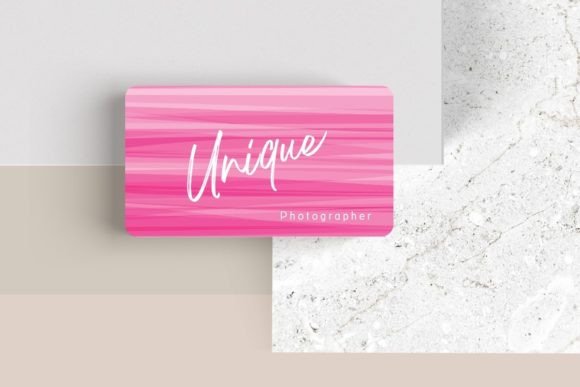
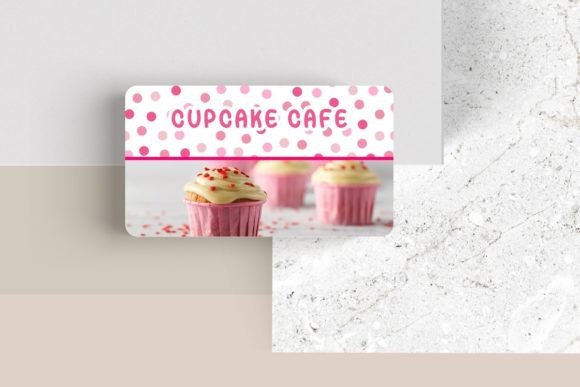
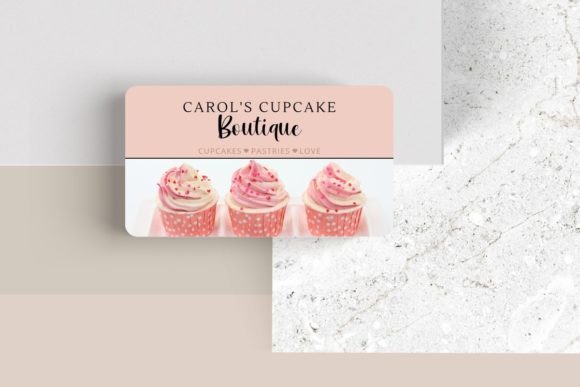
For small business owners and marketers, this template is a practical tool for rapid prototyping. Need to test how your new logo looks with different typographic treatments? This is a low-stakes environment to do so. The ability to move elements around and add additional elements like photos or logos means you can create variations for different team members or seasonal campaigns without starting from scratch. A photographer might create a card with a subtle background texture, while a financial advisor would stick to a crisp, minimalist layout. The template’s inherent professionalism ensures that, no matter the customization, the end result reads as polished and intentional.
Making It Work for You: Practical Customization Guide
To leverage this template effectively, start with your core brand assets. Upload your logo first and use its colors as your primary palette. When selecting fonts, consider contrast and pairing. If your logo uses a bold display font, pair it with a clean, readable sans serif font for body text. The template’s 3.5″ x 2″ dimensions are standard, but remember that critical information should have a safe margin from the edges to avoid being cut during printing.
Readability is paramount. Avoid overly decorative fonts for essential contact information. Test your design by printing a sample at actual size—what looks legible on screen might become muddy in print. For commercial use, confirm that any fonts you upload or use from Canva’s library are licensed for commercial projects. While Canva provides many free fonts, some premium options may require a Pro subscription or separate license. This due diligence is a crucial part of professional practice.
Finally, think about the story your card tells. Does the weight of the paper (a separate consideration) match the visual weight of the design? Does the finish—matte, gloss, or textured—complement your brand’s personality? Editable Canva Business Card #36 provides the visual blueprint; pairing it with thoughtful production choices transforms it from a simple contact card into a memorable brand touchpoint. It’s a practical, powerful tool for anyone serious about presenting a cohesive and professional image to the world.