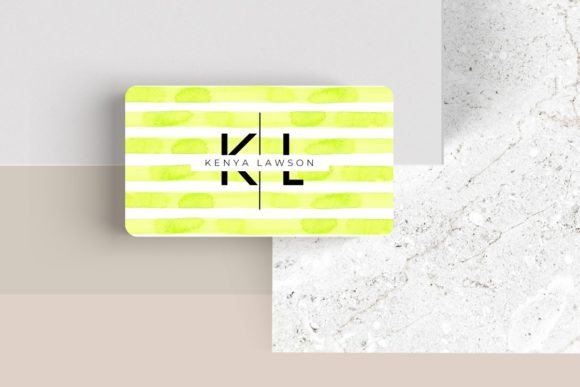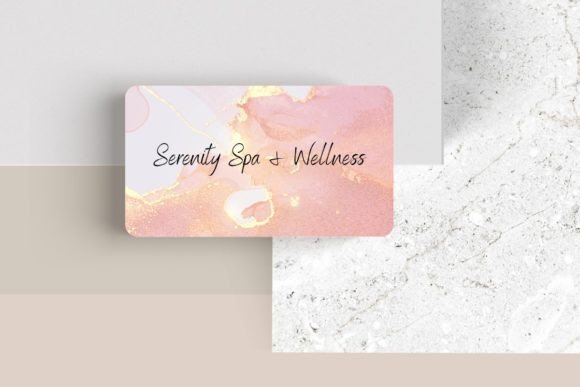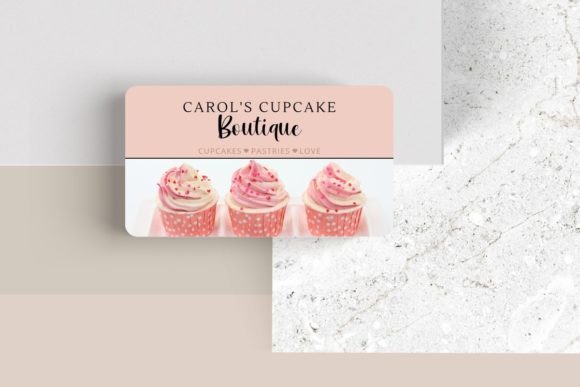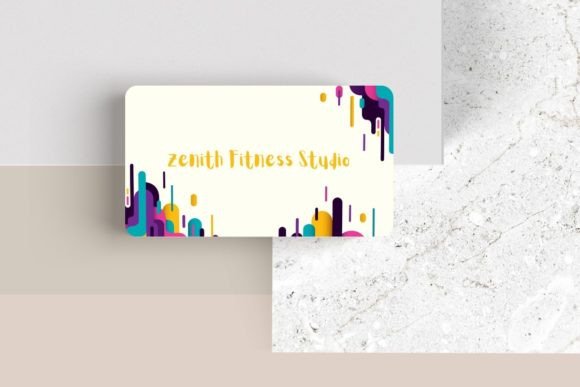
Editable Canva Business Card #68: Your Modern Networking Tool
In a world saturated with digital noise, a tangible, well-designed business card remains a powerful tool for making a connection. Editable Canva Business Card #68 is built on this principle, offering a sleek and modern template that puts creative control directly in your hands. It’s not just a pre-made design; it’s a flexible starting point crafted for professionals who understand that first impressions are built on clarity and style. This template provides a clean, contemporary canvas that adapts to your brand’s unique voice, ensuring your card feels both personal and professional.
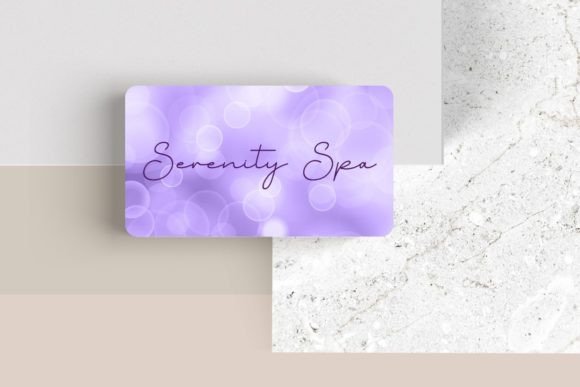
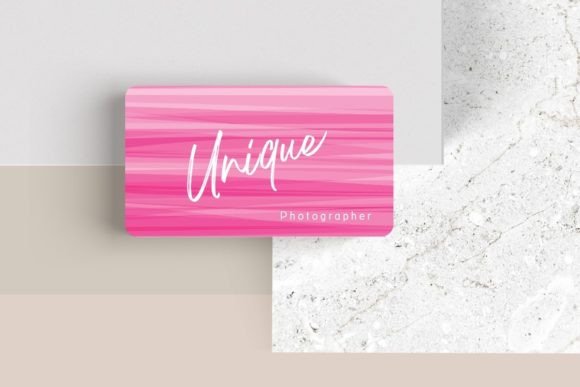
At its core, #68 features a balanced layout that prioritizes readability and visual hierarchy. The design typically employs a combination of a clean sans serif font for contact information and a complementary display font for your name or title, creating a dynamic yet harmonious look. The use of negative space is thoughtful, allowing key details to breathe and stand out. Its personality is confident and adaptable—equally suited for a minimalist tech startup, a creative agency, or a freelance consultant. The overall appeal lies in its understated elegance; it communicates competence without shouting.
Where This Template Shines: Practical Applications
The true strength of Editable Canva Business Card #68 is its versatility across different professional contexts. For entrepreneurs and small business owners, it serves as a foundational piece of brand identity. You can seamlessly integrate your existing logo and brand colors, ensuring consistency with your website, social media graphics, and other design assets. The template’s structure supports clear information architecture, making it easy for potential clients to find your website, email, and social handles at a glance.
For designers and marketers, this card is a practical case study in modern typography and layout. It demonstrates how to use font pairing effectively—a key skill in editorial design and web design. The ability to move elements and adjust spacing within Canva allows you to experiment with visual weight and alignment, directly applying principles of visual hierarchy to a real-world project. It’s a hands-on way to refine your design instincts.
Content creators, bloggers, and publishers will find it invaluable for networking at conferences or meetups. A card that reflects your aesthetic—whether through a specific color palette or a carefully chosen script font accent—helps reinforce your personal brand. Meanwhile, crafters and hobbyists looking to turn a passion into a side business can use it to project a level of professionalism that builds trust with their first customers.
Making It Your Own: Customization and Best Practices
The “editable” aspect of Editable Canva Business Card #68 is its most powerful feature. You are not locked into a static design. The template empowers you to customize:
- Typography: Change the font, font color, and size to match your brand’s voice. Swap the default serif font for a handwritten font if your brand is more personal, or choose a bold sans serif for a more corporate feel.
- Branding Elements: Easily add your logo. Position it for maximum impact, whether centered for balance or aligned to a corner for a modern, asymmetric look.
- Layout and Composition: Move elements around to create the perfect flow. Adjust the spacing between lines of text or shift the placement of icons to improve readability and visual appeal.
- Additional Graphics: Add additional elements like photos or logos to further personalize your card. A subtle background texture or a secondary brand mark can add depth without clutter.
When customizing, keep a few practical considerations in mind. First, readability is paramount. Even the most stylish premium font fails if contact information is too small or the color contrast is low. Print a test copy to check how colors and sizes translate from screen to paper. Second, think about font pairing. A good rule is to pair a decorative heading font with a highly legible body font. Canva’s interface makes it easy to preview these combinations.
Finally, consider the end use. The standard 3.5″ x 2″ size is universally recognized, but ensure your design has a small bleed area if you’re using a professional printer. The template is designed for both digital sharing and physical printing, making it a versatile design asset. By thoughtfully applying your brand’s colors, selecting fonts that resonate with your audience, and organizing information for clarity, you transform this template from a generic layout into a compelling piece of your marketing toolkit. It’s a practical exercise in brand application, helping you solidify how you present yourself to the world.