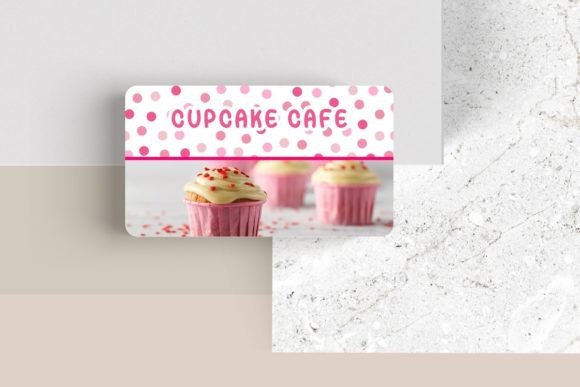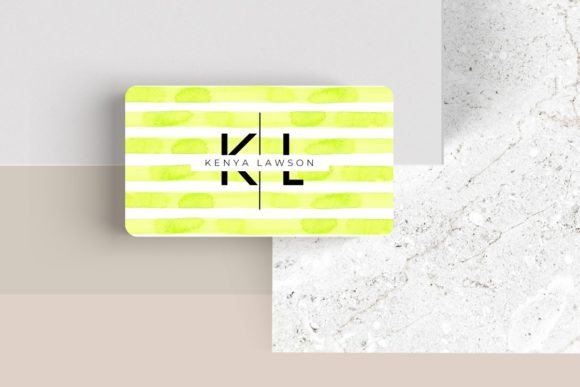
Editable Canva Business Card #41: A Modern Networking Tool
In the digital age, the physical business card remains a powerful networking tool, but only if it can stand out in a stack of paper. Editable Canva Business Card #41 offers a solution that bridges the gap between traditional networking and modern design flexibility. This template is not just a static file; it is a dynamic design asset built on the Canva platform, allowing you to create a professional card that evolves with your brand.
The Visual Identity: Sleek, Modern, and Adaptable
At its core, the design of Editable Canva Business Card #41 leans into a minimalist aesthetic. The layout is clean, utilizing white space to draw the eye to critical information. This approach aligns with contemporary modern typography trends, where clarity often takes precedence over ornamentation. The visual personality of the card is professional yet approachable, making it suitable for a wide range of industries, from corporate consulting to creative freelancing.
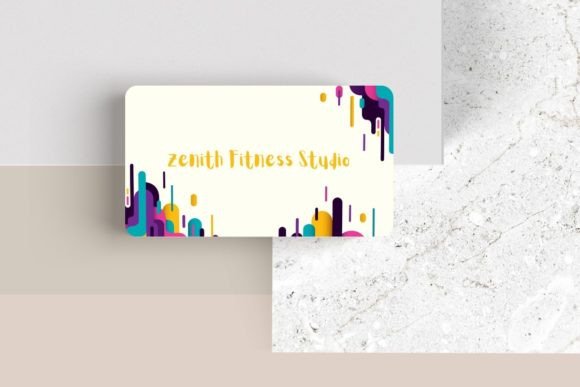
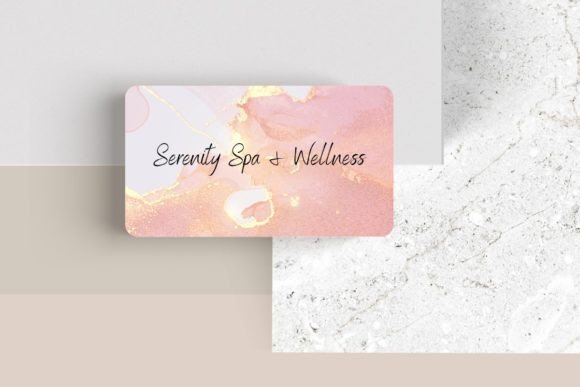
The strength of this template lies in its versatility. While the default layout might feature a sans serif font for headings to ensure readability, the Canva editor allows you to swap typefaces entirely. You can maintain that clean, corporate look or introduce a serif font for a more traditional, authoritative feel. If your brand identity requires a personal touch, you can even integrate a script font or a handwritten font for your name or logo, instantly changing the card's personality from corporate to artisanal.
Customization: Beyond the Standard Text Edit
Many templates claim to be customizable, but Editable Canva Business Card #41 provides granular control over the design elements. The standard dimensions of 3.5″ x 2″ are respected, ensuring your card fits standard holders and wallets, but the interior is yours to manipulate.
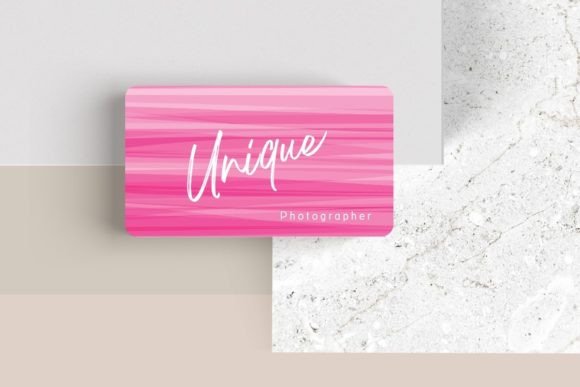
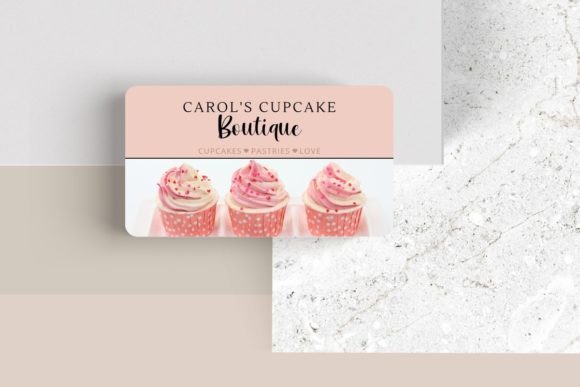
The customization options go deep. You have control over font color and size, but you also have spatial freedom. You can move elements around to accommodate a larger logo or to create a unique layout that breaks the traditional grid. This is crucial for brand identity. For example, if you are a photographer, you might want to add your logo to the back or incorporate a subtle background image. The ability to add additional elements like photos or logos means the template acts as a canvas rather than a rigid cage.
Practical Applications Across Industries
How does this translate to real-world usage? For the entrepreneur or small business owner, this template serves as a low-cost, high-impact design asset. Instead of hiring a designer for every minor update, you can adjust the card yourself when you change phone numbers or rebrand.
- For Freelancers and Creatives: The ability to use a creative font allows you to showcase your style immediately. A web designer might use a typeface that mimics code, while a baker might use a rounded, friendly display font.
- For Marketers and Publishers: Editable Canva Business Card #41 supports editorial design principles. You can create a visual hierarchy that guides the reader’s eye from your title to your contact details, ensuring the most important information is consumed first.
- For Hobbyists and Crafters: The ease of use makes it perfect for those who need cards for craft fairs or local markets. You can quickly update inventory details or social media handles without starting from scratch.
Typography and Brand Perception
The fonts you choose for your business card do more than display your name; they influence brand perception and audience engagement. A heavy, bold typeface suggests stability and strength, while a light, airy font suggests elegance and modernity. When using this template, consider the font pairing. A common strategy is to pair a bold sans-serif header with a lighter serif body text to create a clear visual hierarchy.
Readability is paramount. While it is tempting to use an elaborate premium font, ensure it remains legible at the small scale of a business card. Test your design at 100% zoom on your screen, and if possible, print a test copy. The spacing between letters (kerning) and lines (leading) can often be adjusted in Canva to improve the flow of information.
Strategic Design Considerations
When finalizing your design with Editable Canva Business Card #41, think about the card's lifecycle. Where will it be stored? How will it be handed over?
- Evaluate the Fit: Does the style of the card match your other design assets? If your website is minimalist, a cluttered card will create a disconnect. This template excels at maintaining consistency across platforms.
- Test Font Pairings: Don't settle for the default. Try swapping the heading font for a modern typography choice like a geometric sans-serif, or test a commercial font that you own the license for to ensure legal safety in print runs.
- Review the Styles: Look at the included styles. Sometimes, a simple change in color opacity or the weight of a line can make the difference between an amateurish look and a professional finish.
Ultimately, Editable Canva Business Card #41 is more than just a digital file; it is a framework for your professional introduction. By leveraging the customization tools available, you can create a card that not only holds contact information but also tells the story of your brand, ensuring you leave a lasting impression long after the handshake ends. Whether you are designing for packaging design, web design, or social media graphics, the principles of good typography and layout remain the same, and this template provides the perfect starting point.
Editable Canva Business Card #41: Design Your First Impression
A business card is often the first tangible piece of your brand someone holds. It’s a handshake in paper form. But too often, generic templates lead to forgettable exchanges. Editable Canva Business Card #41 changes that dynamic. It’s not just a pre-made layout; it’s a flexible design system built for Canva, giving you the tools to craft a card that genuinely reflects your professional identity. This sleek, modern template provides a clean foundation, but its true power lies in how completely you can reshape it to tell your story.
Deconstructing the Design: More Than Just a Template
At first glance, Editable Canva Business Card #41 presents a balanced, contemporary aesthetic. Think clean lines, ample white space, and a layout that prioritizes clarity. The default setup likely uses a strong sans serif font for headings, ensuring immediate readability, paired with a complementary style for contact details. This isn’t a loud, decorative design; it’s a professional canvas. Its personality is adaptable—it can feel corporate and authoritative or creative and approachable, depending entirely on the choices you make within the editor.
The visual appeal is in its restraint. It avoids trendy elements that might date quickly, focusing instead on solid modern typography principles. This makes it a wise long-term investment for your brand identity. The standard 3.5″ x 2″ dimensions ensure it fits perfectly into cardholders and wallets, meeting practical expectations while the design itself meets visual ones.
Unlocking Creative Control: What You Can Actually Change
The term "editable" can be vague, but with this template, it means genuine control. You’re not just changing text. The customization options are practical and impactful for real-world use.
- Typography Tailoring: You have full command over font, font color, and size. This is where you infuse personality. Swap the default sans serif font for a sophisticated serif font to convey tradition and trust. Introduce a script font or handwritten font for your name to add a personal, artistic touch. The key is to maintain a strong visual hierarchy—your name or business should be the most prominent element, followed by your title and contact details.
- Brand Integration: Easily add your logo. This is non-negotiable for brand consistency. You can scale it, reposition it, and ensure it has the breathing room it needs. A poorly placed logo can undermine even the best design.
- Layout Freedom: You can move elements around. This is a game-changer. Don’t like the default alignment? Shift the text block. Want to create a more dynamic asymmetrical layout? Go for it. This flexibility allows the card to match the flow of your other design assets, like your website or social media graphics.
- Element Expansion: The template allows you to add additional elements like photos or logos. This opens up creative possibilities. A photographer might add a subtle watermark image. A consultant could include a small icon representing their niche. Use this feature sparingly to maintain professionalism and avoid clutter.
This level of control means Editable Canva Business Card #41 works for a freelance graphic designer as well as for a startup founder or a local bakery owner. It’s a tool for logo design integration and packaging design consistency, ensuring your card feels like part of a larger, cohesive system.
Strategic Applications: Where This Template Excels
Understanding the tool is one thing; knowing where to apply it is another. This template’s strength is its versatility across different professional contexts.
For the Entrepreneur and Small Business Owner
Your business card needs to do a lot of heavy lifting. It must convey credibility and clarity. With this template, you can create a card that feels established, even if you’re just starting out. Choose a premium font that projects stability. Use color strategically—perhaps your brand’s primary color for accents, keeping the main text in a dark, readable shade. The clean layout ensures your business name, what you do, and how to reach you are understood in seconds.
For Creatives: Designers, Marketers, and Content Creators
This is your chance to showcase your skills. Use the customization to demonstrate your understanding of modern typography and font pairing. Try combining a bold, geometric display font for your name with a clean, readable sans-serif for details. You can experiment with layout in ways that would be risky for a corporate client but are perfect for a creative portfolio. The ability to add subtle graphic elements can hint at your style without overwhelming the contact information.
For Personal Branding: Bloggers, Publishers, and Hobbyists
Your card represents you, not just a company. Editable Canva Business Card #41 can be adapted to feel more personal. A handwritten font for your name, a photo that represents your niche, or a color palette that matches your Instagram feed can make the card a natural extension of your online presence. It becomes a physical reminder of your digital brand.
Making Smart Design Choices: A Practical Guide
Having the tools is great, but using them wisely is what sets a professional card apart. Here’s how to approach the customization process.
- Start with Your Brand Core: Before you change a single font, look at your existing brand identity. What are your core colors, fonts, and logo? Your business card should be an echo of these, not a new invention. This ensures consistency, which builds recognition.
- Prioritize Readability Above All: A beautiful creative font is useless if people can’t read your phone number. Test your design at actual size. Print a draft. The most stylish choice is the one that communicates clearly. This is where commercial font licensing is also important—ensure you have the right to use any premium typeface you upload for print purposes.
- Master Font Pairing: A good rule of thumb is to pair a serif font with a sans serif font, or a display font
⬇️ Download FreeFree download · No sign-up required
🔗 You Might Also Like
Business CardsStand out from the crowd with our Editable Canva Business Card. This sleek and m…Business CardsStand out from the crowd with our Editable Canva Business Card. This sleek and m…Business CardsStand out from the crowd with our Editable Canva Business Card. This sleek and m…Business CardsStand out from the crowd with our Editable Canva Business Card. This sleek and m…Business CardsStand out from the crowd with our Editable Canva Business Card. This sleek and m…